

Our Capabilities
Bridging the gap between high-level strategy and detailed engineering execution
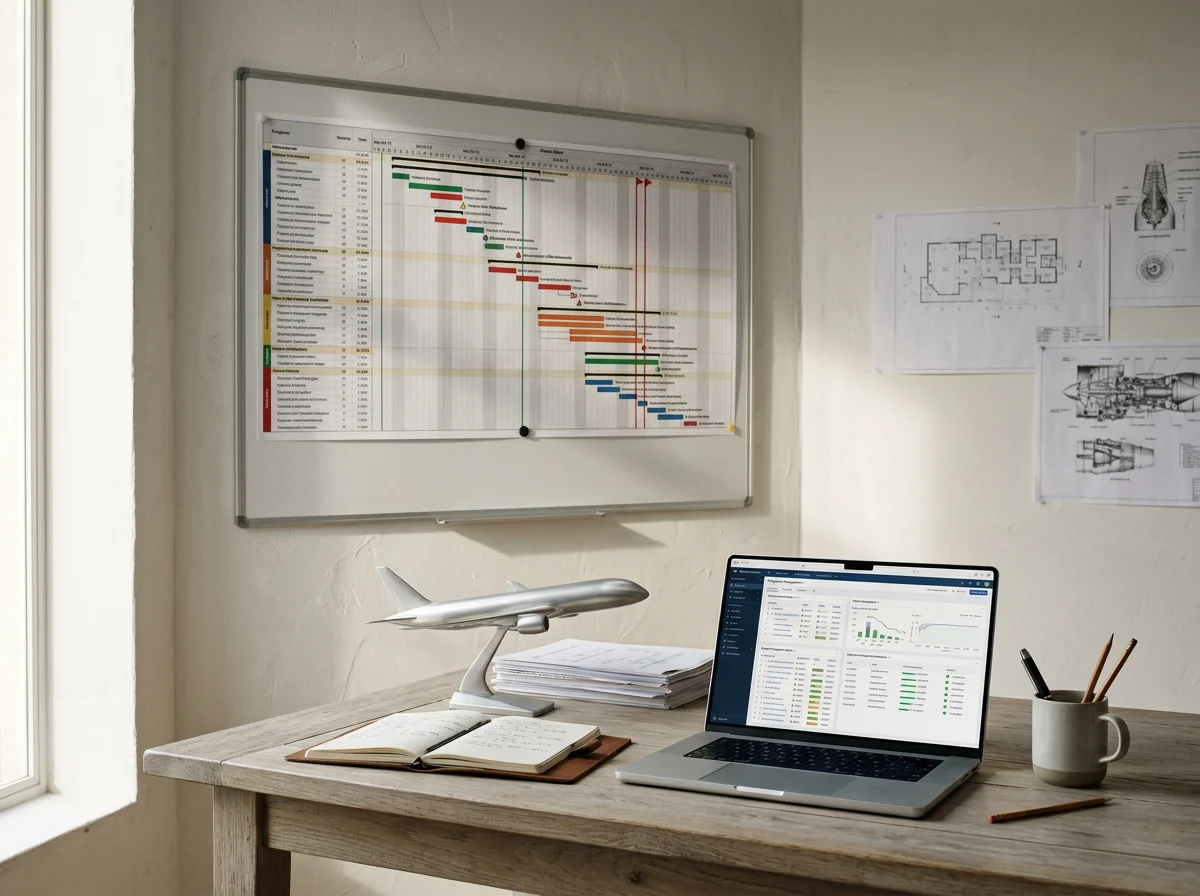
Programme Management
Focuses on delivery, risk, and bringing complex initiatives across the finish line.
Rapid Programme Recovery: Diagnosing bottlenecks and stabilising off-track or high-risk projects.
Technical Risk & Opportunity Management: Identifying, quantifying, and mitigating engineering risks before they impact the critical path.
Cross-Functional Leadership: Bridging the gap between engineering, manufacturing, quality, and commercial teams.
Supply Chain & Vendor Management: Technical oversight of complex supply chains, ensuring external suppliers meet rigorous design and quality standards.
Schedule & Budget Optimisation: Agile resource planning and realistic scheduling for complex projects with multiple interdependencies.

Systems Engineering
Focuses on the big picture, requirements, and ensuring the product does exactly what it needs to do.
Requirements Capture & Management: Translating ambiguous client needs into robust, verifiable technical specifications.
Full-Lifecycle V-Model Execution: Guiding complex systems from initial concept and architecture down to detailed design and back up through integration.
Trade Studies & Concept Generation: Objective, data-driven evaluation of competing design architectures to find the optimal solution.
Interface Management: Ensuring seamless integration across complex mechanical, electrical, and software boundaries.
Regulatory & Compliance Alignment: Structuring the engineering baseline to meet stringent aerospace, defense, or commercial regulatory standards.
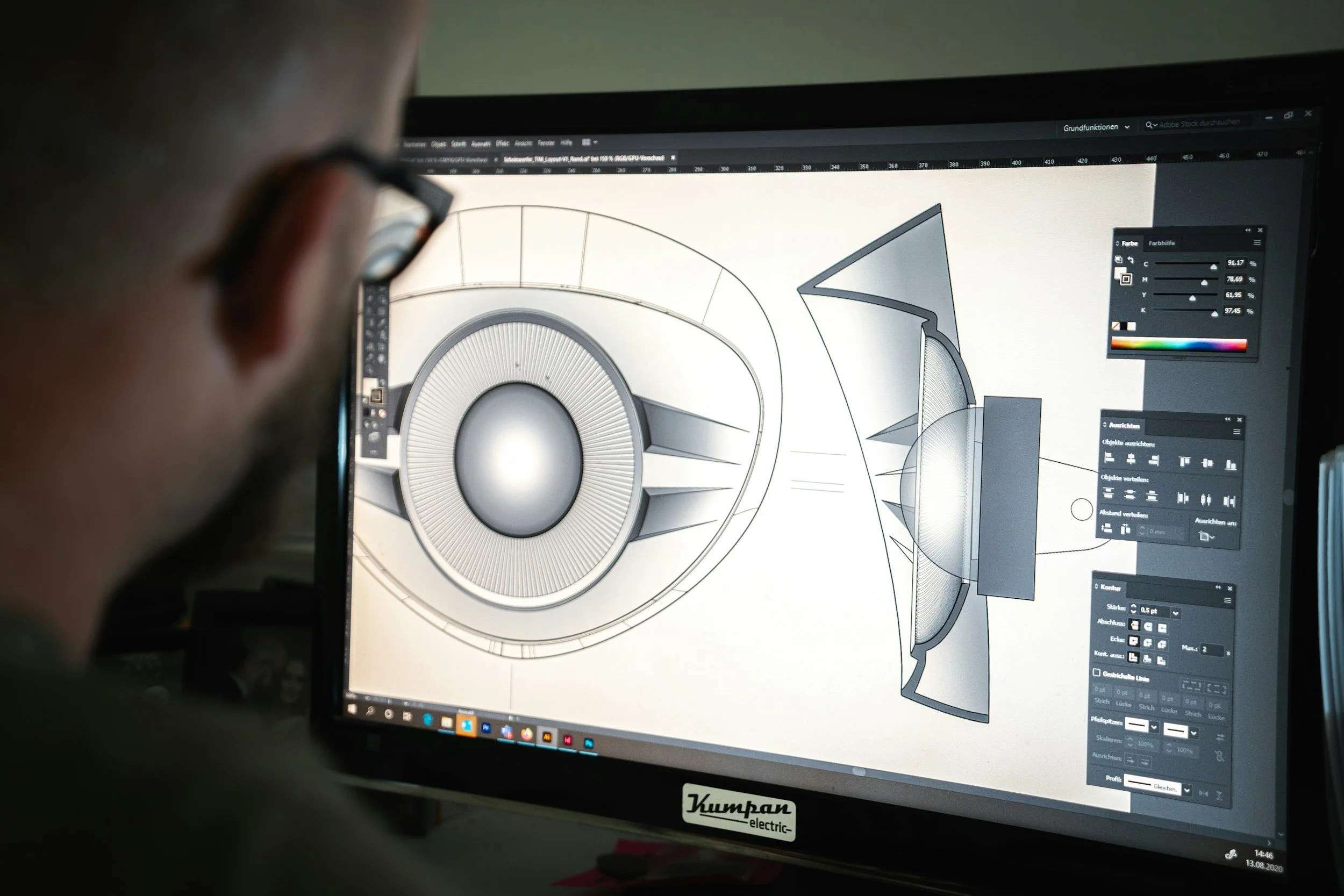
Mechanical Engineering
Focuses on the tangible creation, 3D design, and hardware realisation.
Full Lifecycle Hardware Design: Taking physical components from blank-sheet concepts through to production-ready detailing.
Advanced 3D CAD Modelling & Surfacing: Creating robust, fully parametric models for complex assemblies and precision components.
Design for Manufacture & Assembly (DFMA): Optimizing designs to reduce cost, simplify assembly, and align with specific manufacturing capabilities (machining, casting, additive, etc.).
Precision Mechanism Design: Developing high-reliability moving parts and kinetic systems for demanding environments.
Weight & Space Optimization: Maximizing structural efficiency without compromising performance or safety margins.
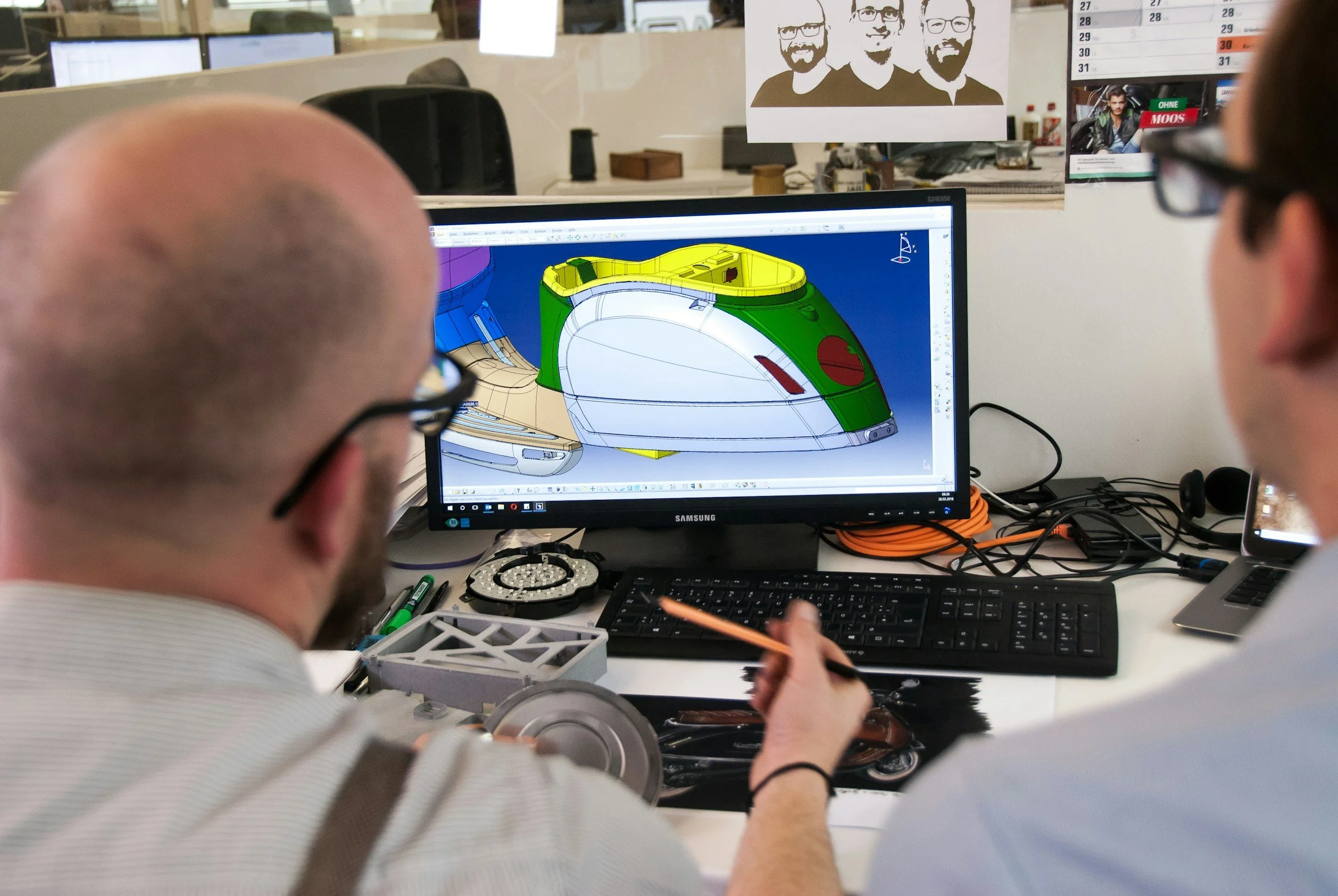
Analysis & Simulation
Focuses on proving the design works digitally before cutting metal.
Finite Element Analysis (FEA): Advanced structural analysis including static, dynamic, fatigue, and shock loading.
Thermal & Fluid Analysis (CFD): Assessing heat transfer, airflow, and environmental extremes on component performance.
Kinematic & Dynamic Simulation: Modeling multi-body systems to validate complex mechanical interactions and clearances.
Design Optimization: Using simulation data to drive iterative improvements and remove unnecessary weight or cost.
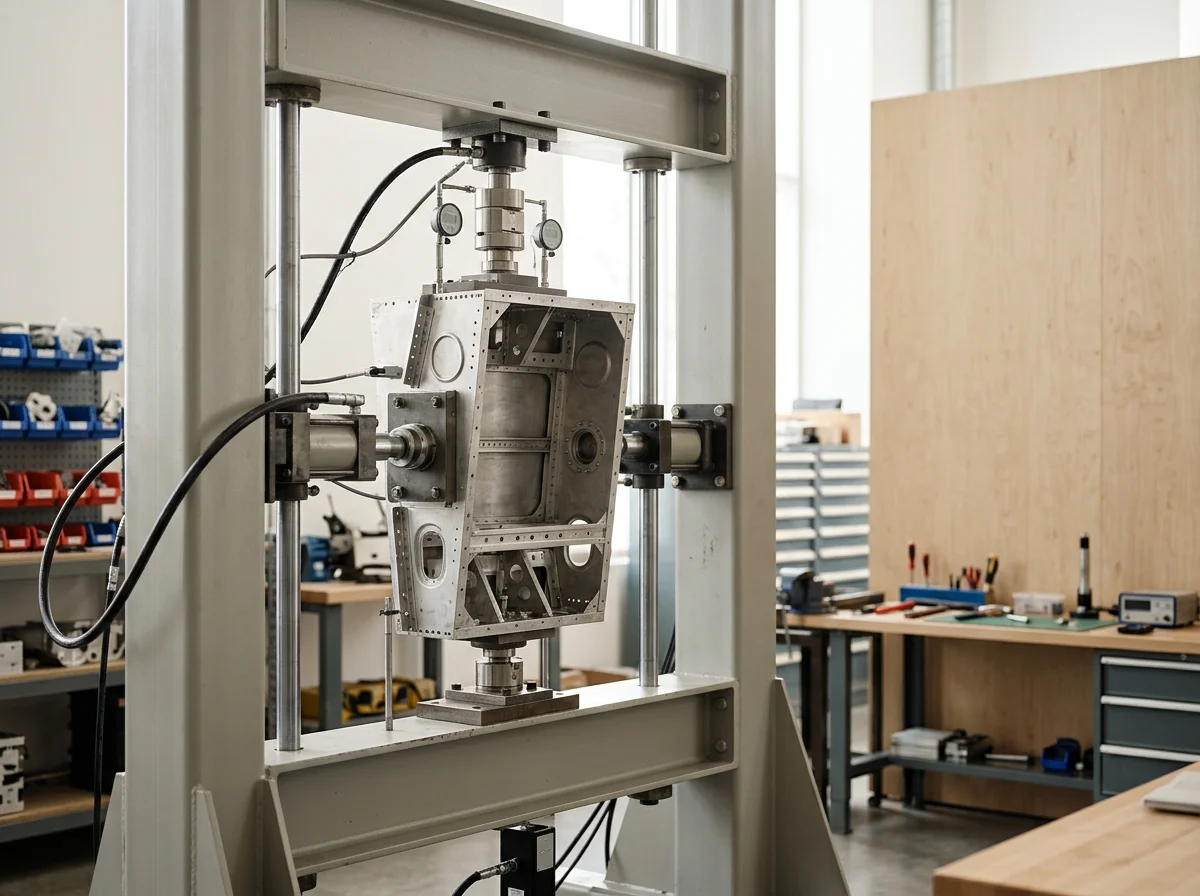
Testing, Verification & Certification
Focuses on real-world proof and getting the product qualified for use.
Verification & Validation (V&V) Strategy: Developing logical, cost-effective plans to prove every requirement has been met.
Test Rig & Fixture Design: Engineering bespoke physical testing environments for complex hardware.
Qualification Test Management: Overseeing environmental, vibration, drop, and lifecycle testing campaigns.
Certification Support: Compiling the rigorous technical evidence, reports, and documentation required by regulatory bodies and safety authorities.